New mapping shows wetland loss continues, with conversion to pasture the leading cause
Latest report shows we are continuing to lose wetlands at an alarming rate, mostly as conversion to pasture.
Root causes of wetland loss: Statistics update 2026
A new report commissioned by ELI shows that Wetlands in Aotearoa continue to be converted into farmland, forestry and other modified land uses, despite strengthened national protections introduced in 2020.
The report, The Root Causes of Wetland Loss in New Zealand: Statistics Update 2026, identifies at least 416 hectares of natural wetland converted to modified land between 2018 and 2023. Most of this was to pasture, followed by loss to plantation forestry and mining.
These changes are likely permanent, human-induced loss, where wetlands have been drained, cleared and converted into dry land uses.
Root causes of wetland loss in Aotearoa, 2018-2023
“Less than 10% of original wetlands in Aotearoa remain. Wetlands provide flood protection, habitat for important biodiversity, and store large amounts of carbon. This report shows, the extent of wetlands continues to be chipped away at. That needs to stop. ”
The findings build on earlier research commissioned by ELI showing that more than 5,400 hectares of freshwater wetlands were destroyed between 1996 and 2018, the vast majority converted to pasture. Taken together, the reports show a sustained pattern of loss.
The period analysed spans the introduction of stronger national freshwater protections in 2020. Some losses may have occurred before those rules took effect, but the data suggests that wetland conversion has continued in the years since.
The report highlights the need for further investigation into whether losses were consented, how the rules are being implemented, and whether monitoring and enforcement are sufficient to prevent ongoing unconsented loss.
Wetlands are one of Aotearoa’s defining traits, but they are also one of our most depleted ecosystems. The expectation was that stronger national direction would change the trajectory. This evidence shows that new regulations must be properly monitored and enforced to have any real-world effect.
ELI v Environment Southland
This report follows a significant High Court case we took against Environment Southland in 2024 for its failures to monitor and take action to protect wetlands. The Court ruled that councils need to monitor and take action to protect wetlands, and that they must dedicate the necessary resources to do so.
What this update shows is that wetland conversion has continued. The rules have become stronger, but there still appears to be a monitoring and enforcement gap.

A new loophole
We are especially concerned with the Government’s recent change to wetland regulations, which mean beef cattle and deer that are not being intensively grazed are no longer required to be excluded from natural wetlands. This is a new loophole, which risks further degradation and destruction of wetlands. Such loopholes in the rules protecting wetlands are a key barrier to the effective protection of wetlands.
Latest report is likely an undercount
The 416 hectares of wetlands lost that have been identified relied on updates to the New Zealand Land Cover Database. However, this does not capture degradation of wetlands that remain, or the loss of all wetland types particularly those ‘hidden’ under a canopy of shrubs or trees, meaning the true extent of loss is likely higher. To address some of these limitations, the report goes on to quantify losses of hidden wetland types for six regions, identifying a further 147-hectare loss in those regions alone.
This means, the losses reported here are a conservative estimate and that is why it is crucial that Councils properly monitor for wetland degradation and take enforcement action.
Previous reports
This ‘Root Causes’ update is the fifth in a series of reports on wetland losses commissioned by the Environmental Law Initiative. Previous reports were important evidence in our successful High Court case against Environment Southland for failing to monitor and take action in respect of the region’s significant ongoing wetland losses.
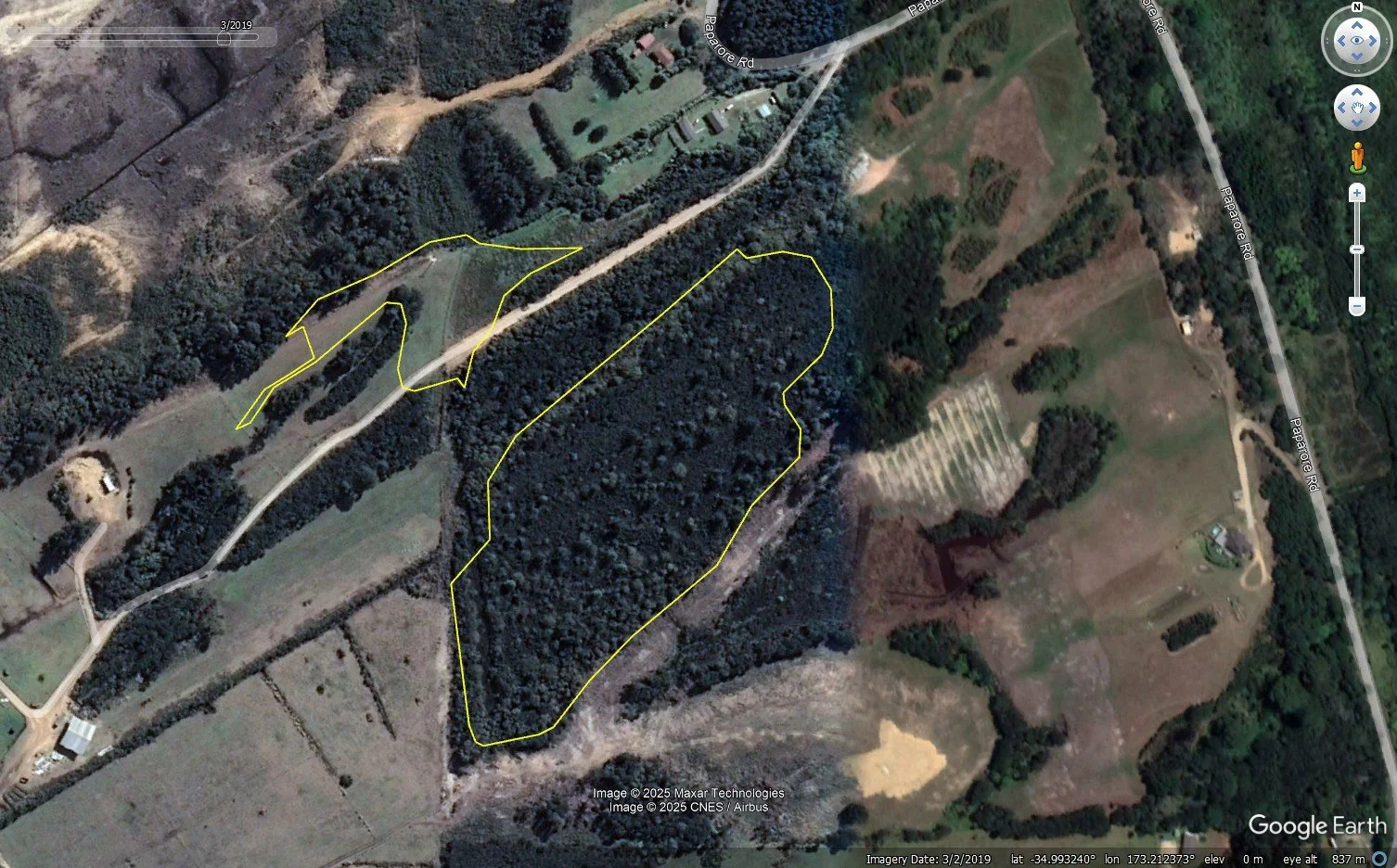
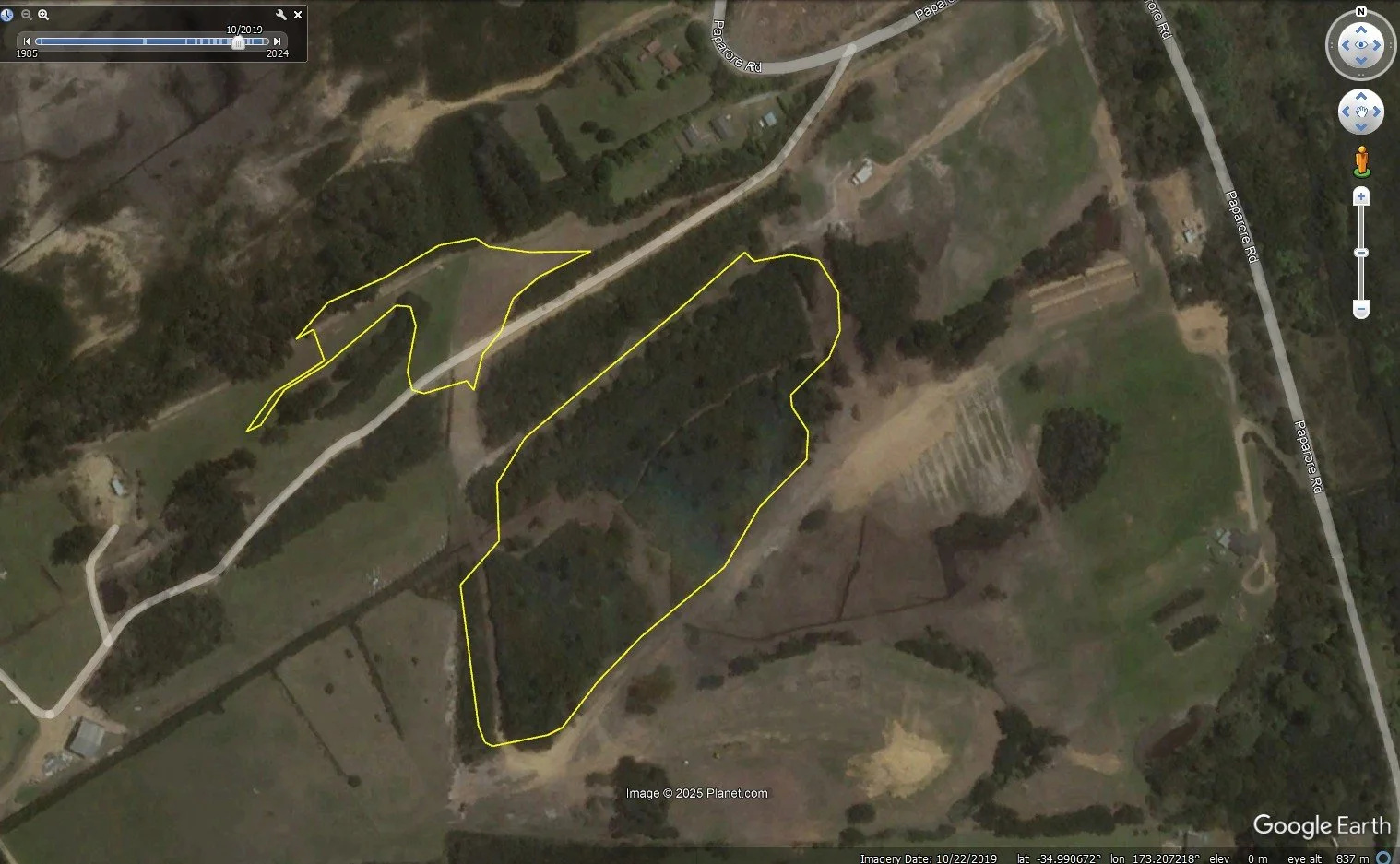
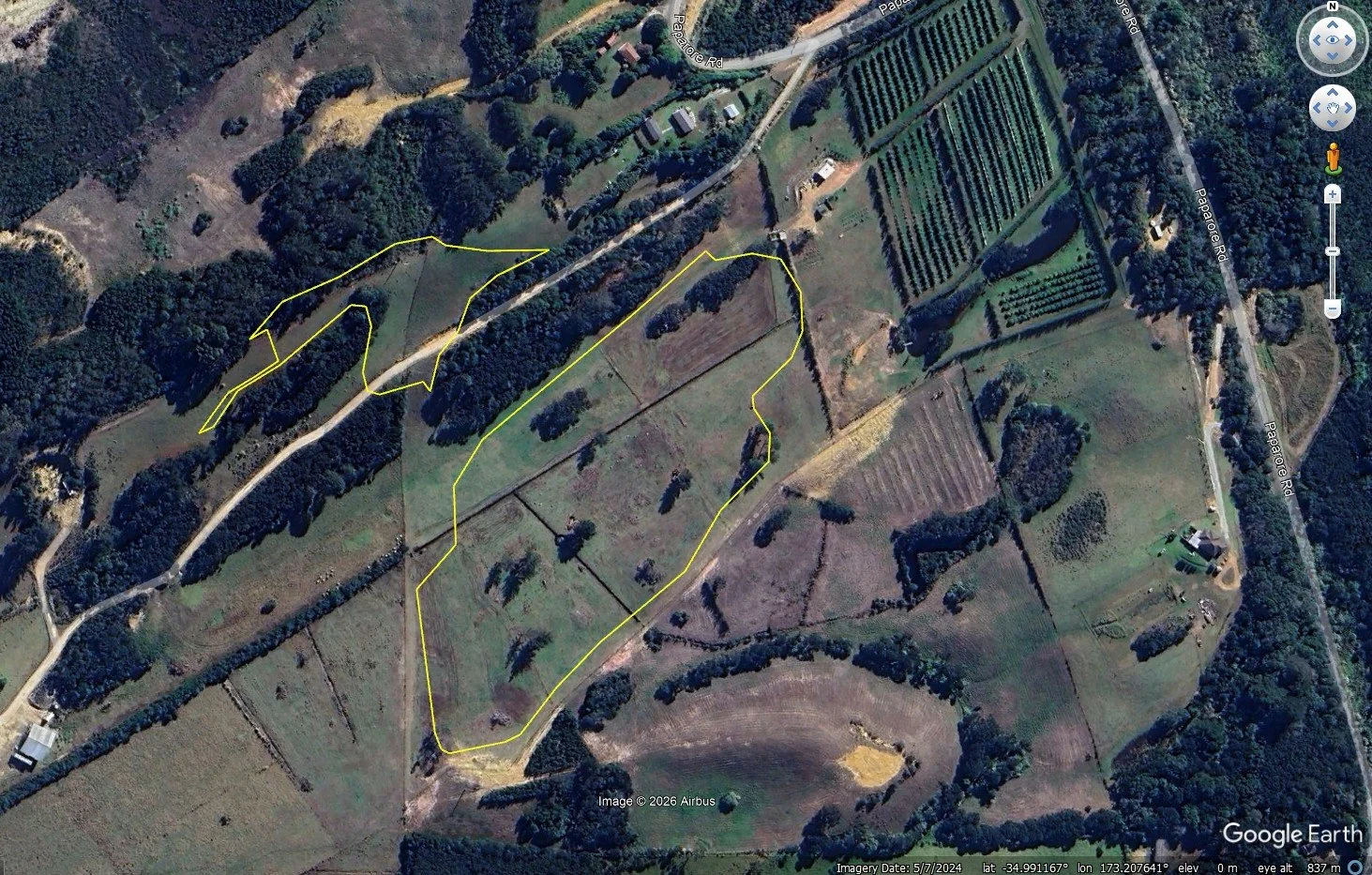
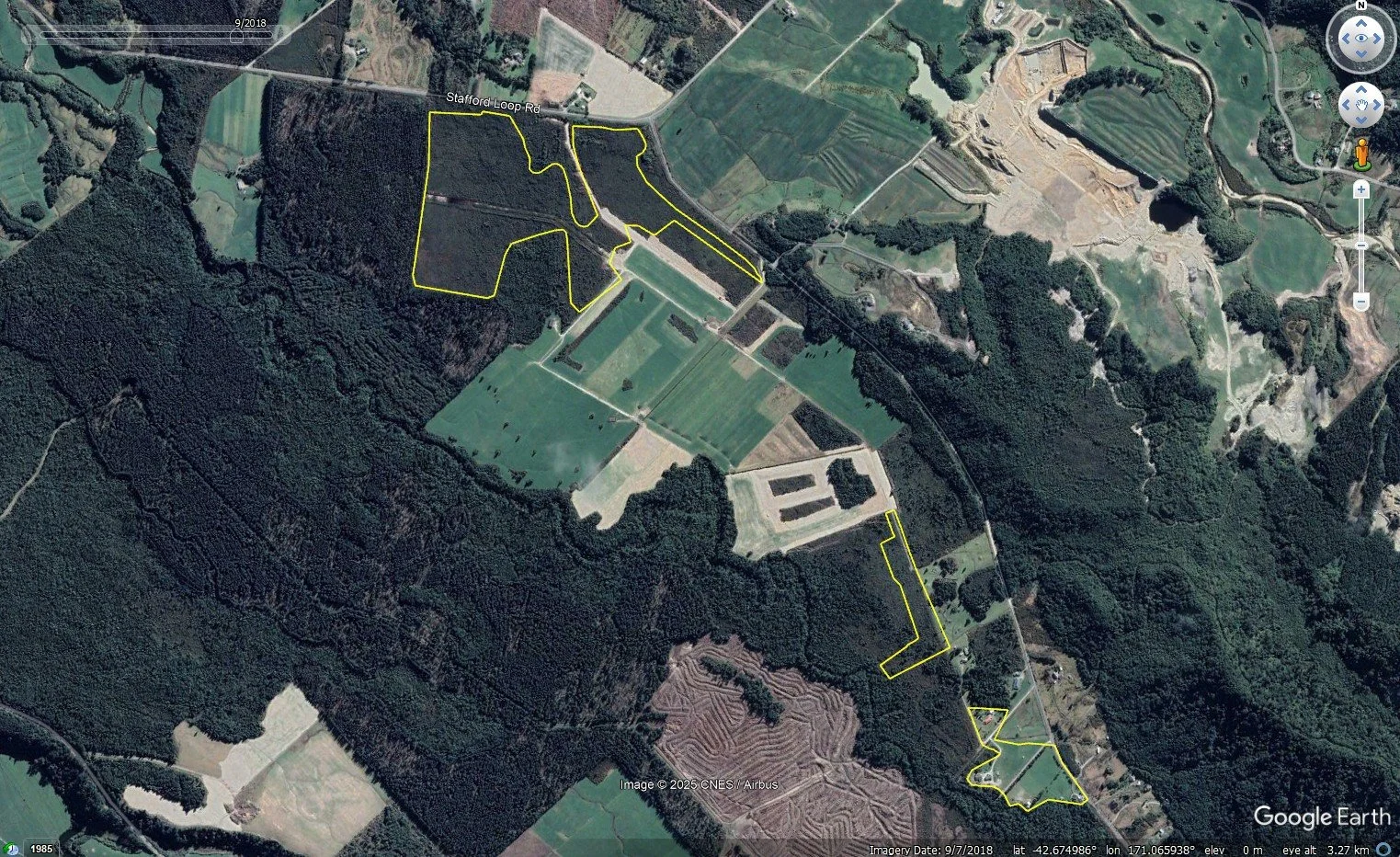
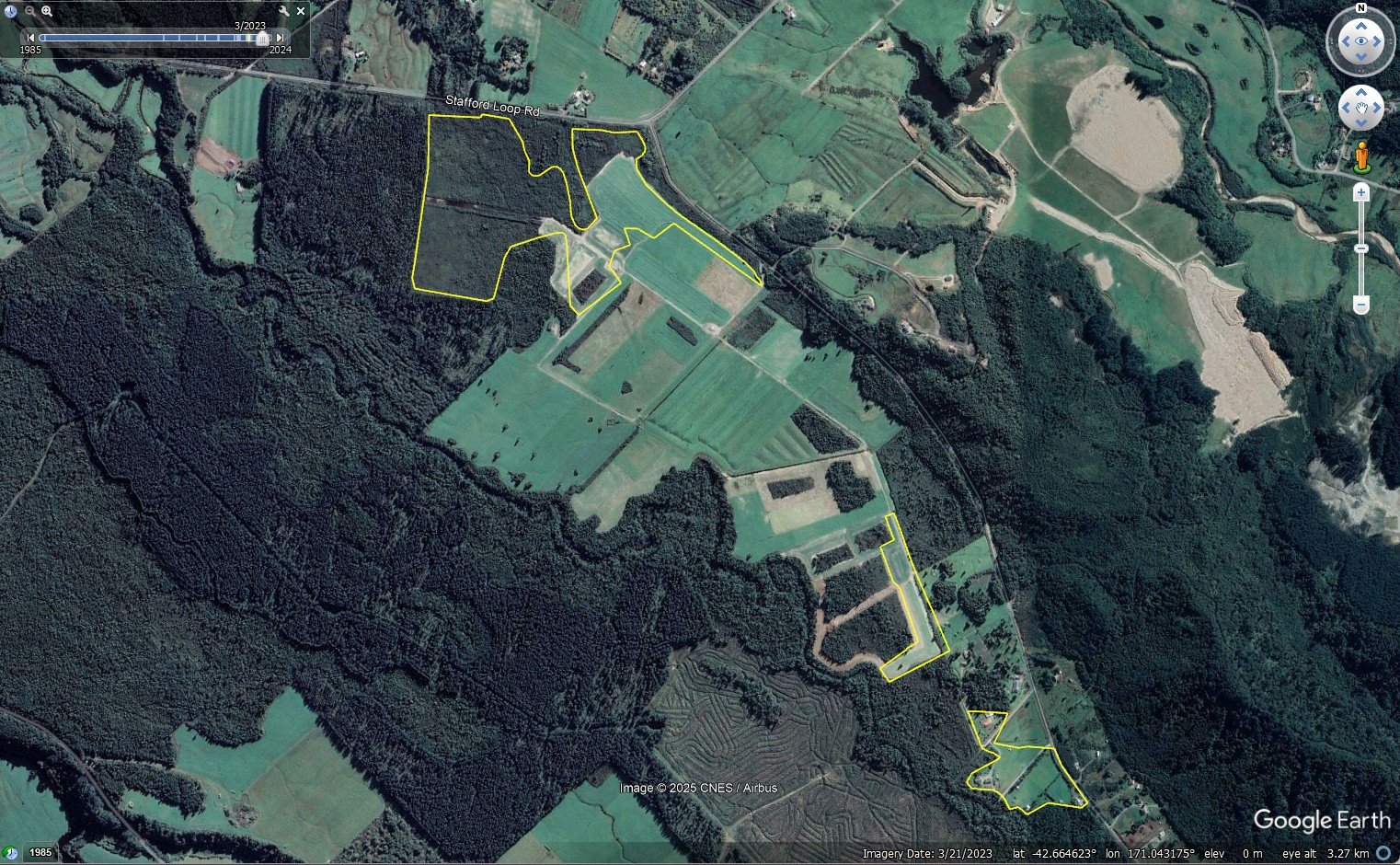
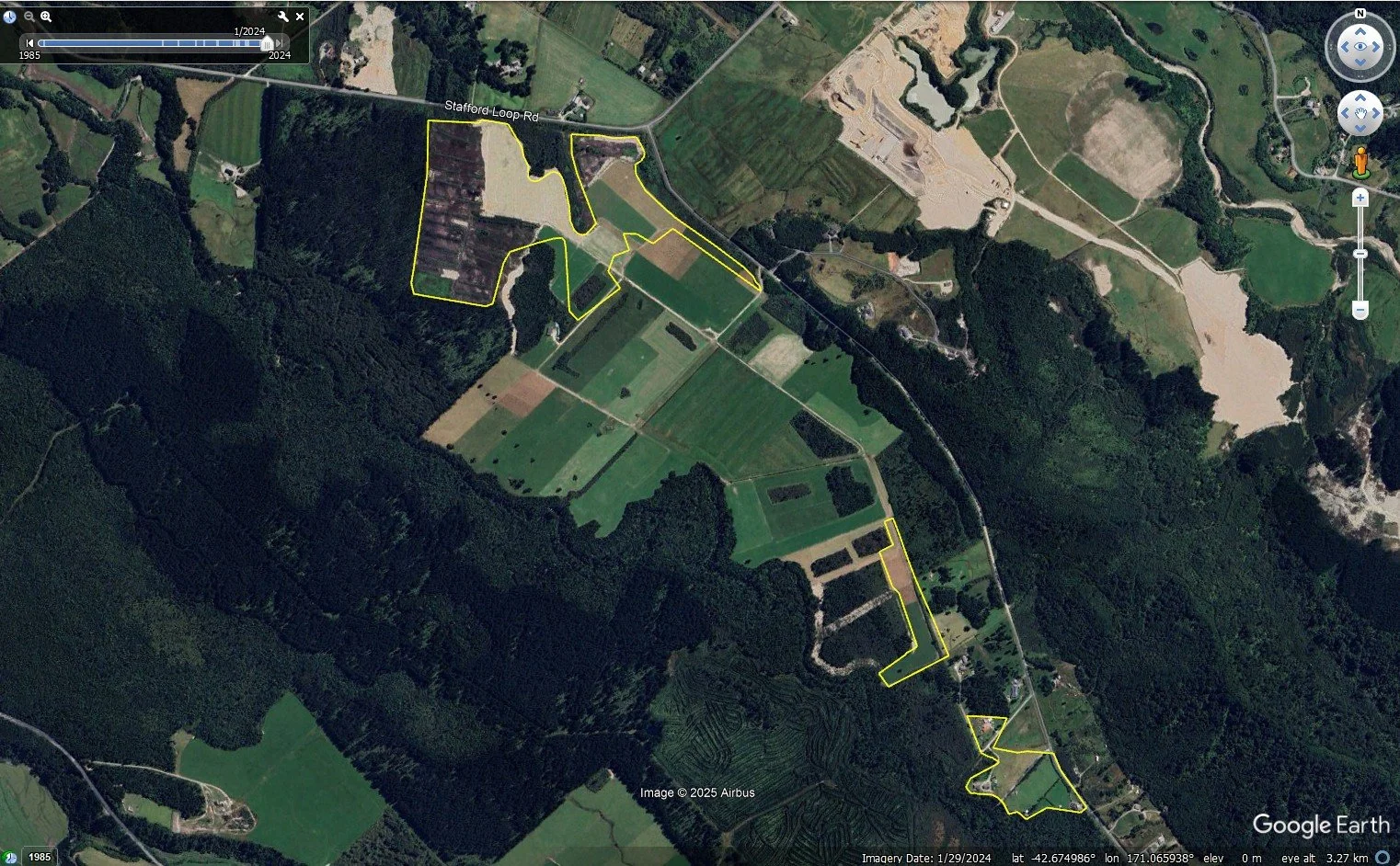
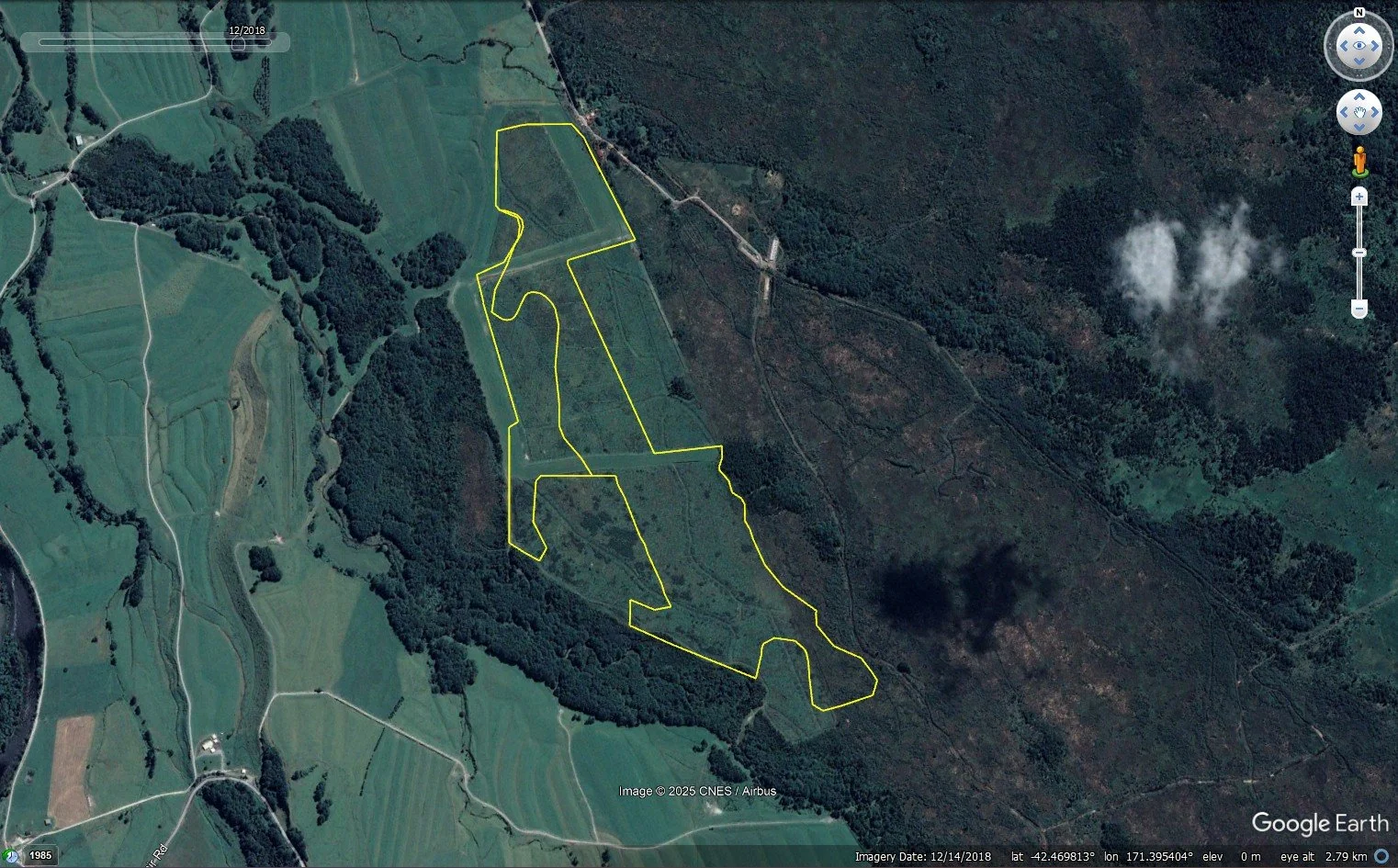
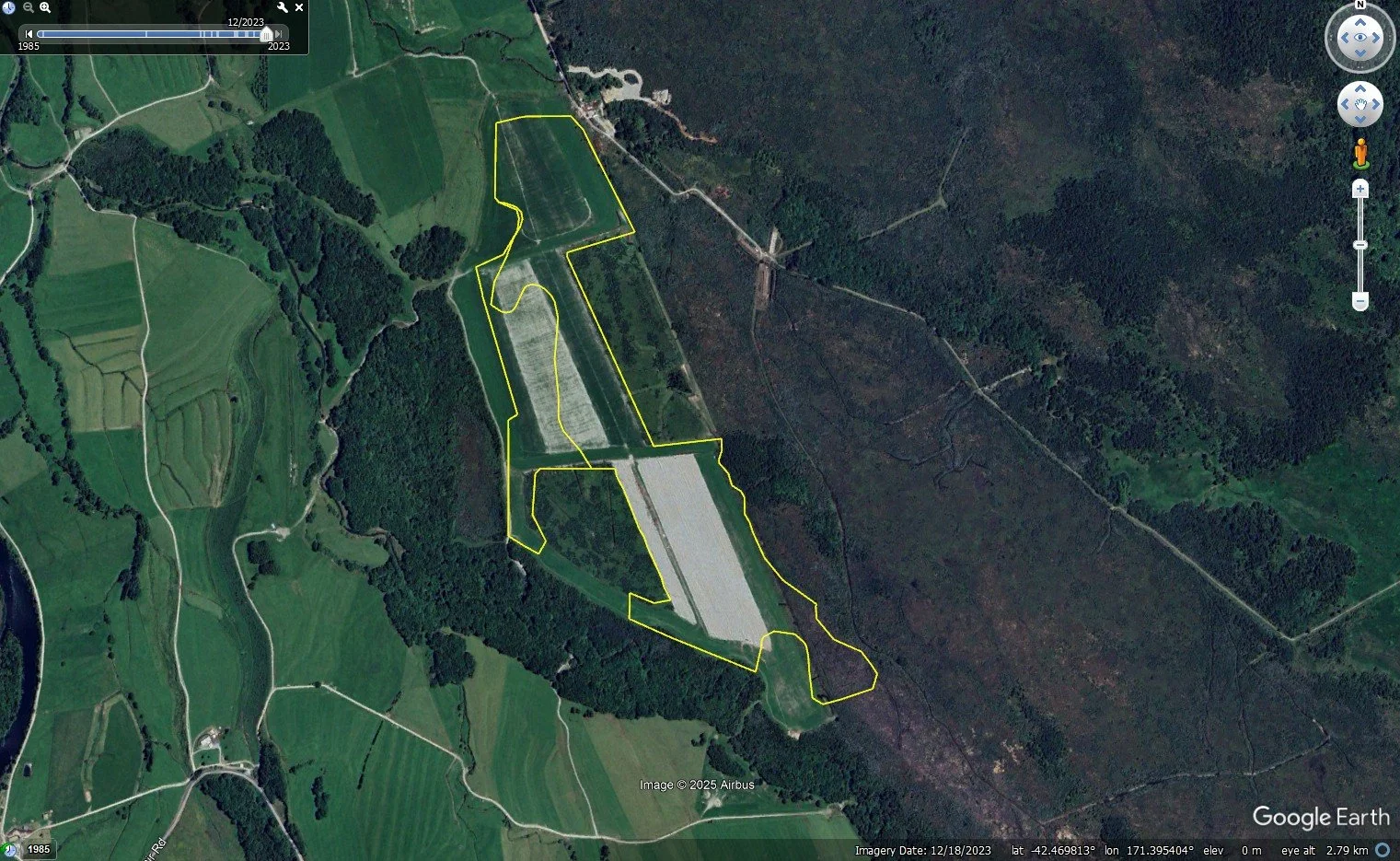
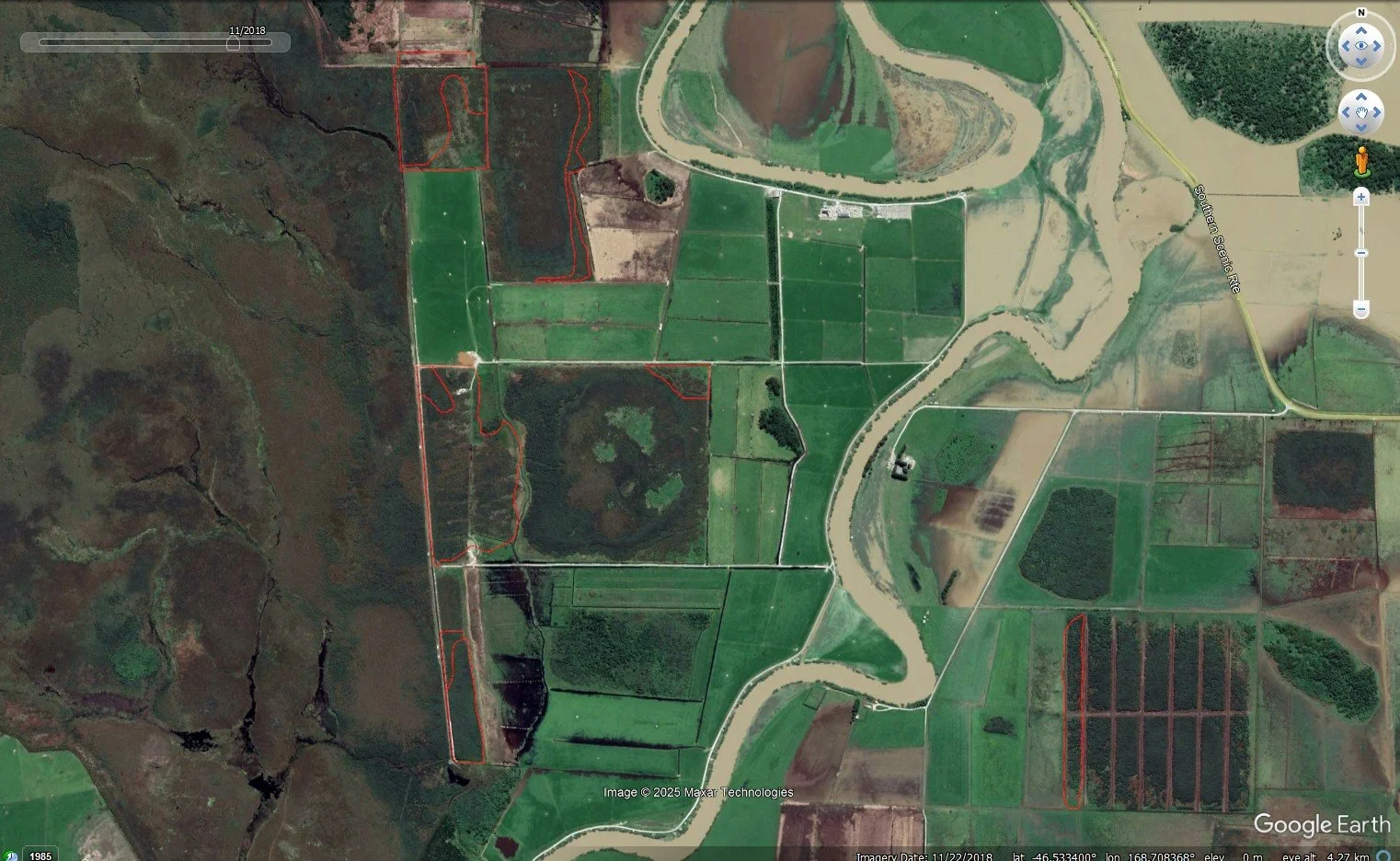
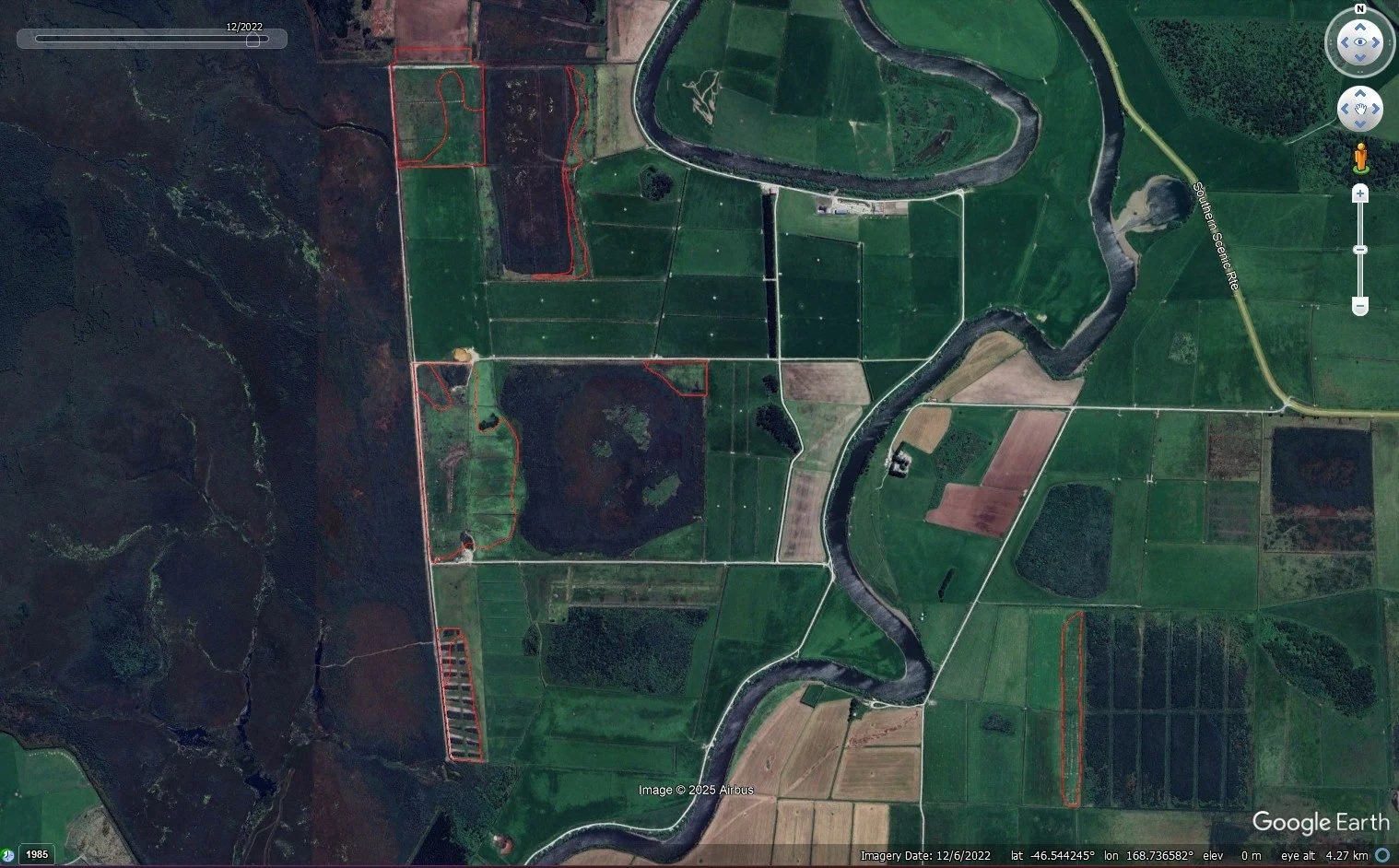
Images of wetland change 2018-2023

Related