
Limited orange roughy spawning closure an improvement, but not enough to protect the population
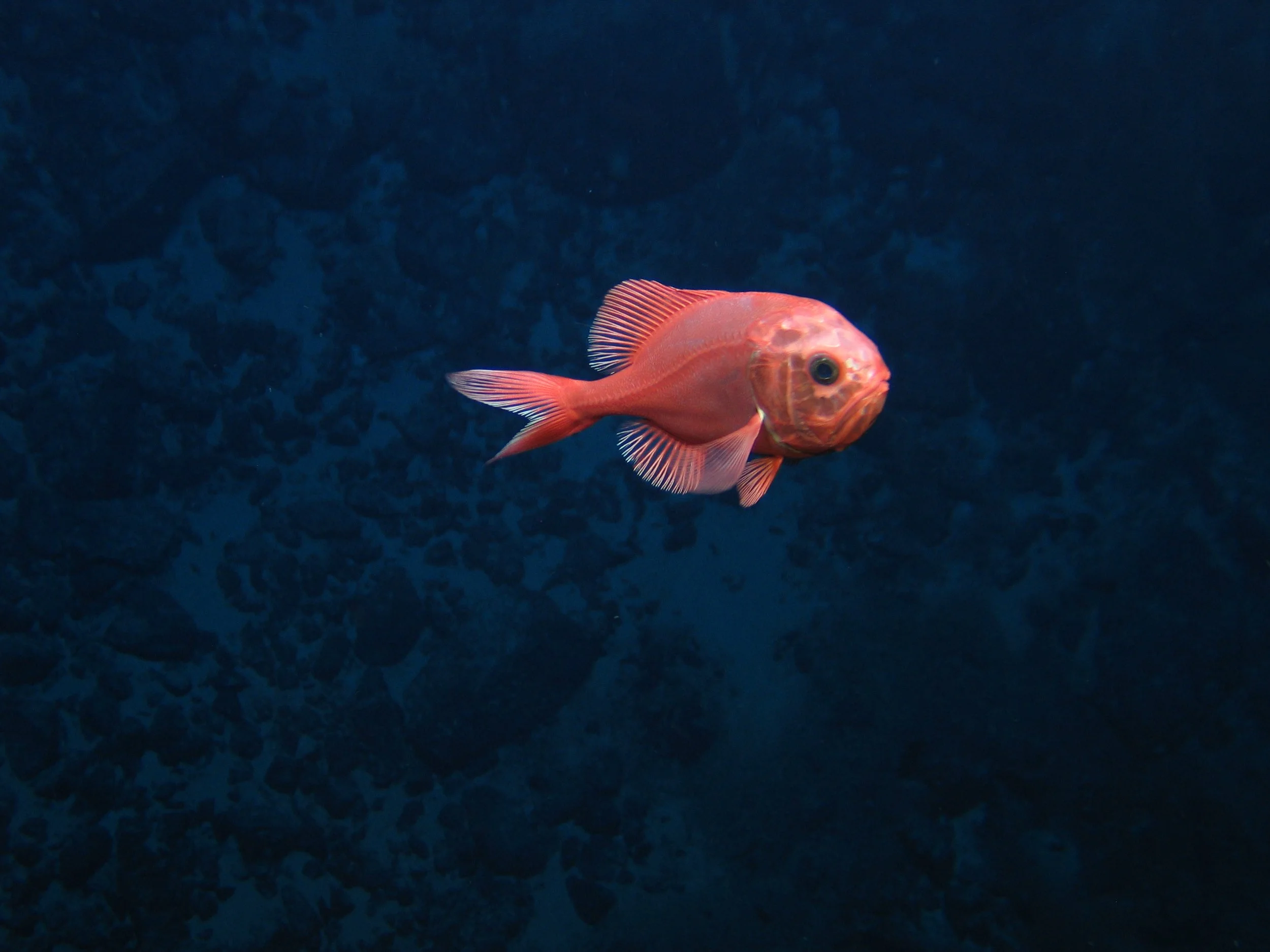
In the winter months, long-lived orange roughy assemble to spawn. In recent decades, orange roughy stocks have collapsed.
Yesterday, Oceans and Fisheries Minister Shane Jones announced a partial closure of an area in the East and West Chatham Rise for a 6-week period in response.
The Environmental Law Initiative’s Director, Research and Legal, Dr Matt Hall says “Minister Shane Jones’ decision to close orange roughy spawning areas to fishing shows ELI’s litigation is driving improved management of the stock, but significant issues remain.”
Fisheries New Zealand (FNZ) acknowledges that fishing disturbs orange roughy spawning, but continues to allow it. ELI says this should trigger a first-principles review of whether the practice is appropriate for orange roughy and other spawning stocks.
"Fishing for orange roughy while they're trying to reproduce is inherently an unsustainable practice," says Dr Hall.
Of the three options consulted on, the Minister chose the widest spatial closure, but the six-week closure still does not cover the full spawning period. FNZ itself acknowledged that it “would seem prudent to close the spawning area for at least eight days post spawning to allow some time for juveniles to disperse from the main fishing area where they might otherwise be disturbed by bottom trawling activity.”
Spawning periods are somewhat variable, but the closure period ends at or around when peak spawning generally occurs.
ELI also says that the Minister does not appear to have taken into account that, under the Fisheries Act, habitats of particular significance for fisheries management should be protected, including orange roughy spawning habitat. Allowing continued adverse effects on spawning habitat does not appear consistent with this statutory requirement.
In July 2025, ELI filed High Court proceedings against the Minister for Oceans and Fisheries, arguing the catch limit failed to protect orange roughy because it did not account for the ecosystem impacts of bottom trawling. The High Court’s decision is pending.