
By Anna Sintenie, Senior Legal Researcher, at the Environmental Law Initiative. This article was first published in The Post on 5th August, 2026.
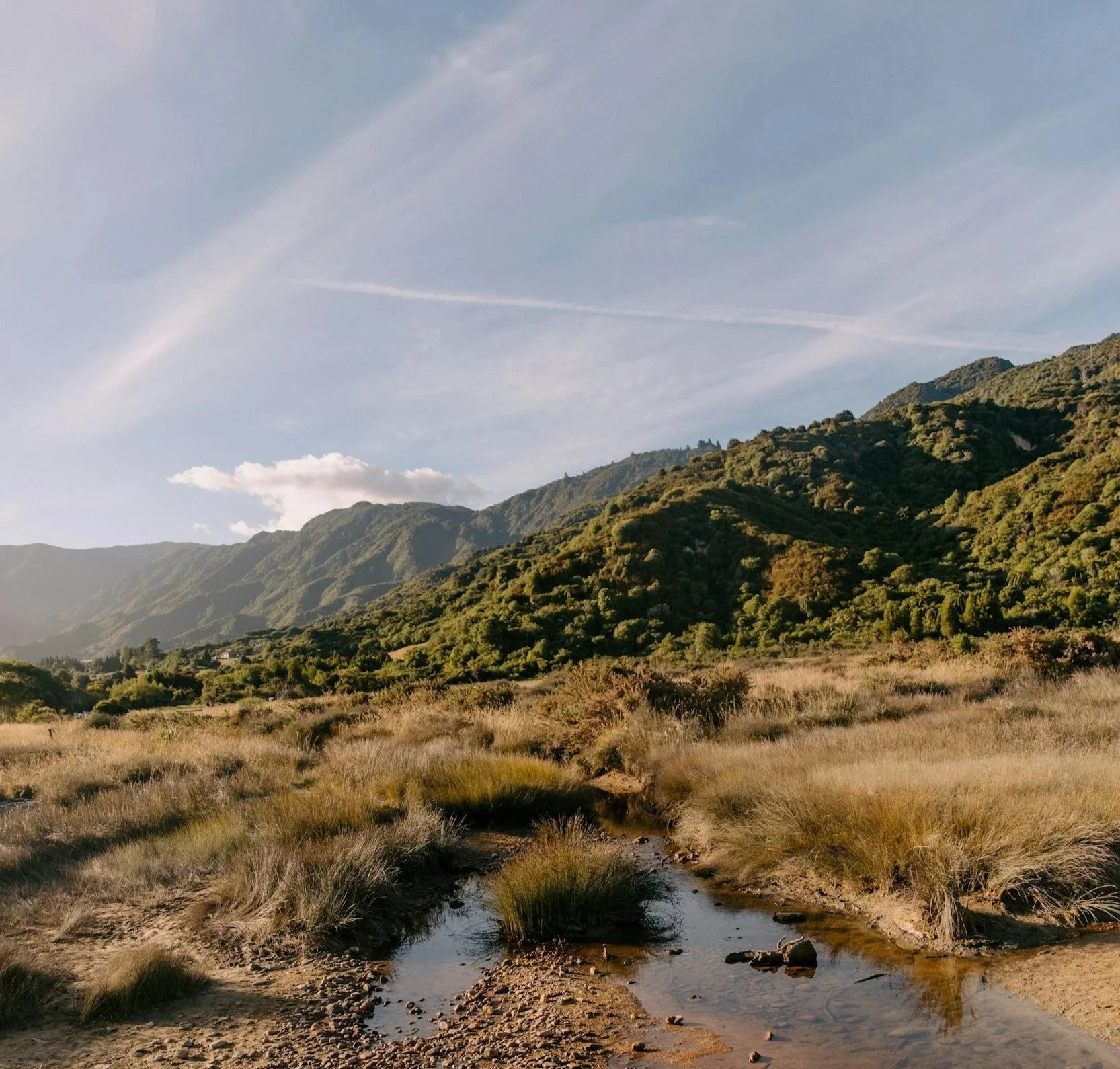
Wetlands are the connectors across our diverse landscapes, linking the mountains to the sea, and allowing migratory species to complete their lifecycles. At a human level, they are also where the food and fibre sector began in Aotearoa.
Six years ago, the Environmental Law Initiative commissioned experts at the National Wetland Trust to quantify how much wetland cover was lost across Aotearoa New Zealand between 1996 and 2018. They did this by using satellite-derived imagery from the national land cover database. The result was sobering; 5,400 hectares of freshwater wetlands had been destroyed, with the vast majority permanently converted to pasture for farming.
The report found there were weaknesses in the rules protecting wetlands, and even where strong, those were often poorly implemented.
Having lost over 90 per cent of New Zealand’s wetlands, we must protect what remains, especially fertile lowland wetlands, which are often now less than 1% of their original extent.
That’s why this year, six years on, we asked one of the authors of the original report, Karen Denyer, to update the data in the report, to cover the years 2018 - 2023.
The update, which ELI has released, shows at least 416 hectares more wetlands have been drained and converted, despite strong national rules introduced in 2020 to protect them from destruction. This figure is likely to be an underestimate, because it does not count wetlands in more ambiguous contexts such as those concealed by tree cover.
Again, the primary driver was conversion to pasture for farming. Smaller but noticeable drivers were conversion to plantation forestry and mining.
Draining a wetland is a catastrophic event for biodiversity. Healthy wetlands sustain much of our unique and threatened birds and freshwater fish. Healthy wetlands dampen the effects of flooding and drought. Destroying them chips away at our capacity to sequester carbon. Worse still, dried out wetlands are serious carbon emitters. Losing wetlands is a double whammy; it raises our emissions while also reducing our capacity to sequester and store carbon.
ELI is concerned that proposed changes to the Conservation Act may lead to even more wetland loss. The proposal to incorporate ‘economic opportunities’ into the use of public conservation land may extend wetland losses seen in private land to the public estate, and obscure recognition of the value of wetlands and their contribution as natural infrastructure.
The ongoing loss of wetlands even since the introduction of stronger protective rules shows that something is not working. Even when rules are strong, they need to be implemented to be effective.
In ELI’s successful judicial review of Environment Southland, the Court ruled that councils need to monitor and take action to protect wetlands, and that they must dedicate the necessary resources to do so.
While restoring a wetland can sometimes be as simple as blocking an artificial drain, if a wetland has been permanently converted to a productive pasture use, recreating an equivalent ecosystem elsewhere is slow, costly work. This is reflected in the scale of restored wetland extent, which pales in comparison to the reported loss and degradation of wetlands. It is for this reason that monitoring, compliance and enforcement actions are now critical for stopping the loss.
National level policy and regulation need to be set up to lead to effective implementation.
Yet recently the Government relaxed the regulations restricting stock access to wetlands and protecting wetlands from quarrying and mining activities. This risks creating more loopholes which make compliance more difficult. Further proposals to remove national wetland mapping requirements would erode the information base needed to monitor and implement wetland protections.
As ELI’s 2026 report points to, we need both local and national decision makers doing everything possible to protect remaining wetlands.
Our report sets out immediate actions for regional councils and unitary authorities tasked with implementing wetland protections. The wetland losses identified in the report should be investigated by regional councils. Where councils identify non-complying losses of wetlands highlighted by the report, they should take immediate action.
Councils need to maintain live and updated regional wetland mapping and inventories. This kind of State of the Environment monitoring is a regional council statutory duty, as the High Court ruled in ELI’s successful challenge against Environment Southland.
Lastly, our report shows councils need to properly resource monitoring and compliance work, as a strategic intervention to protect the wetlands that remain. When wetlands are lost, re-creation, if it is an option, is costly. Wetlands are far easier (and cheaper) to conserve, than to rebuild. Keeping our last remaining wetlands intact must be a national priority.