
News and submissions

Submission: October 2026 round of consultation on sustainability measures under the Fisheries Act
ELI is concerned to see many stocks in the current consultation round are showing significant signs of decline or collapse, yet options proposed are not always sufficient to enable recovery. In particular, some of the consultation papers present status quo options even where the material indicates that existing catch settings are causing decline.
Fisheries New Zealand (FNZ) has not provided a detailed analysis of why status quo options continue to be presented even where sustainability issues have been flagged. Where the evidence indicates that current settings are not achieving the sustainability outcomes required under the Act, maintaining those settings is not a lawful or acceptable management response.

Submission: Review of sustainability measures for Snapper and Trevally for 2026/27
SNA 2 is a major New Zealand inshore fisheries management area for snapper (Pagrus auratus), stretching along the east coast of the North Island from Gisborne down to Wellington/Makarā.
In ELI’s view, two of the three Options as currently developed present significant risks of kina barren proliferation, as has occurred within SNA 1. Emerging science on Snapper predation on kina provides strong support for the need to avoid kelp loss to prevent ecosystem collapse.

Submission: NZ ETS unit settings and annual regulatory updates 2026
ELI submits that the NZ ETS settings should be designed to ensure genuine emissions reductions, including by limiting new unit supply as much as practicable to help address the NZU stockpile. We also submit that decision-makers continue to consider New Zealand’s climate international obligations, and that annual ETS settings decisions should be retained to allow timely and responsive adjustments.
Submission: Conservation Amendment Bill
ELI has submitted on the Conservation Amendment Bill 2026.
This Bill is of pre-eminent significance. It appears that the amendments would enable, and possibly encourage, activities and decisions inconsistent with conservation. ELI does not support this outcome and opposes the legislation proposed in full. The Bill should be withdrawn.
Submission: Climate Change Response (Tort Liability) Amendment Bill
The Bill is an extraordinary and unjustified intervention in live proceedings, and lacks any substantive rationale beyond shielding specific defendants to a civil claim. It undermines access to justice and public confidence in the rule of law.
ELI submits that the Bill should not proceed.
Submission: Hazardous Substances and New Organisms Amendment Bill
In June 2026 we lodged a formal submission on the Hazardous Substances and New Organisms Amendment Bill.

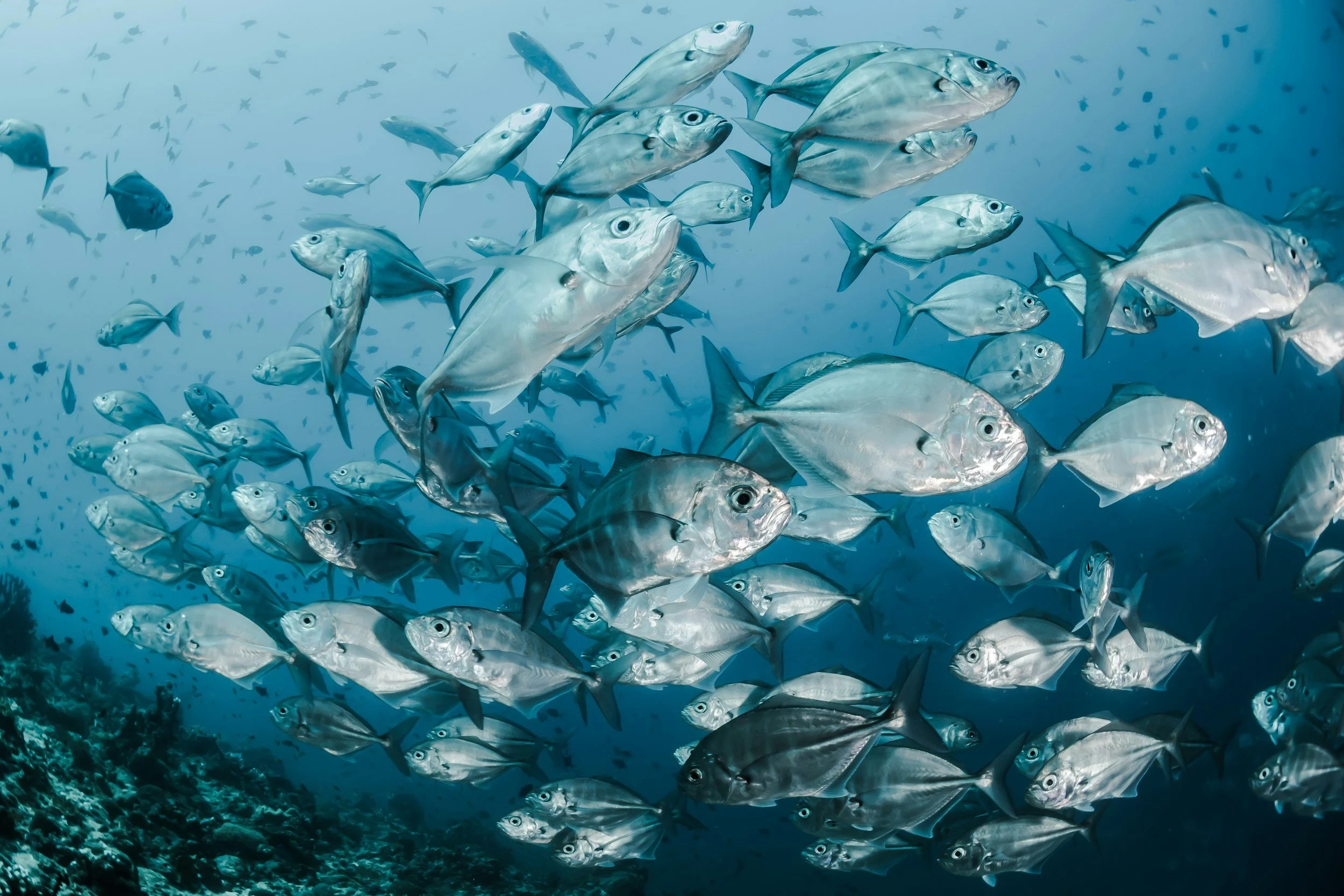
Submission: ELI’s view on the Fisheries Amendment Bill
The proposed changes substantially expand ministerial and executive discretion, weaken precautionary and ecosystem‑based protections, and reduce opportunities for public scrutiny and legal challenge.
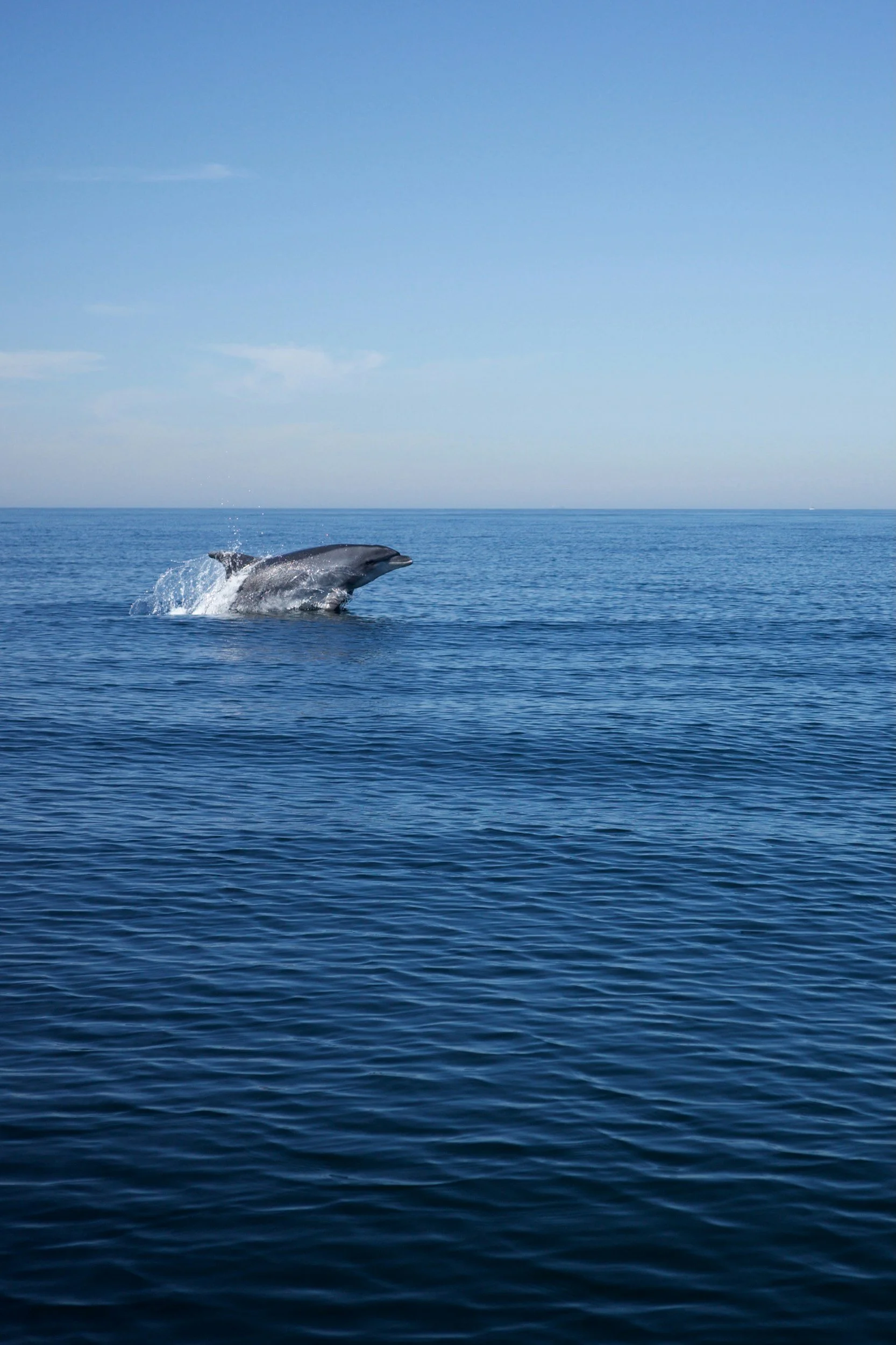
Submission: Proposed amendment to Te Pēwhairangi Marine Mammal Sanctuary rules
We submit that DOC should consider the possibility of moving safe zones for marine mammals and spell out how it will achieve improved enforcement within Te Pēwhairangi Marine Mammal Sanctuary.
Submission: ELI response to the Environment (Disestablishment of the Ministry for the Environment) Amendment Bill
Abolishing the Ministry poses significant risks for the protection of the environment.

Submission: ELI response to the proposed Planning Bill and Natural Environment Bill (replacing the RMA)
The Bills remove established environmental limits, enable more pollution by opening new rights not previously legally available to polluters, limit public standing to participate, as well as judicial review rights, hollow out existing accountability mechanisms, and establish potential conflicts with the Wildlife Act 1953.
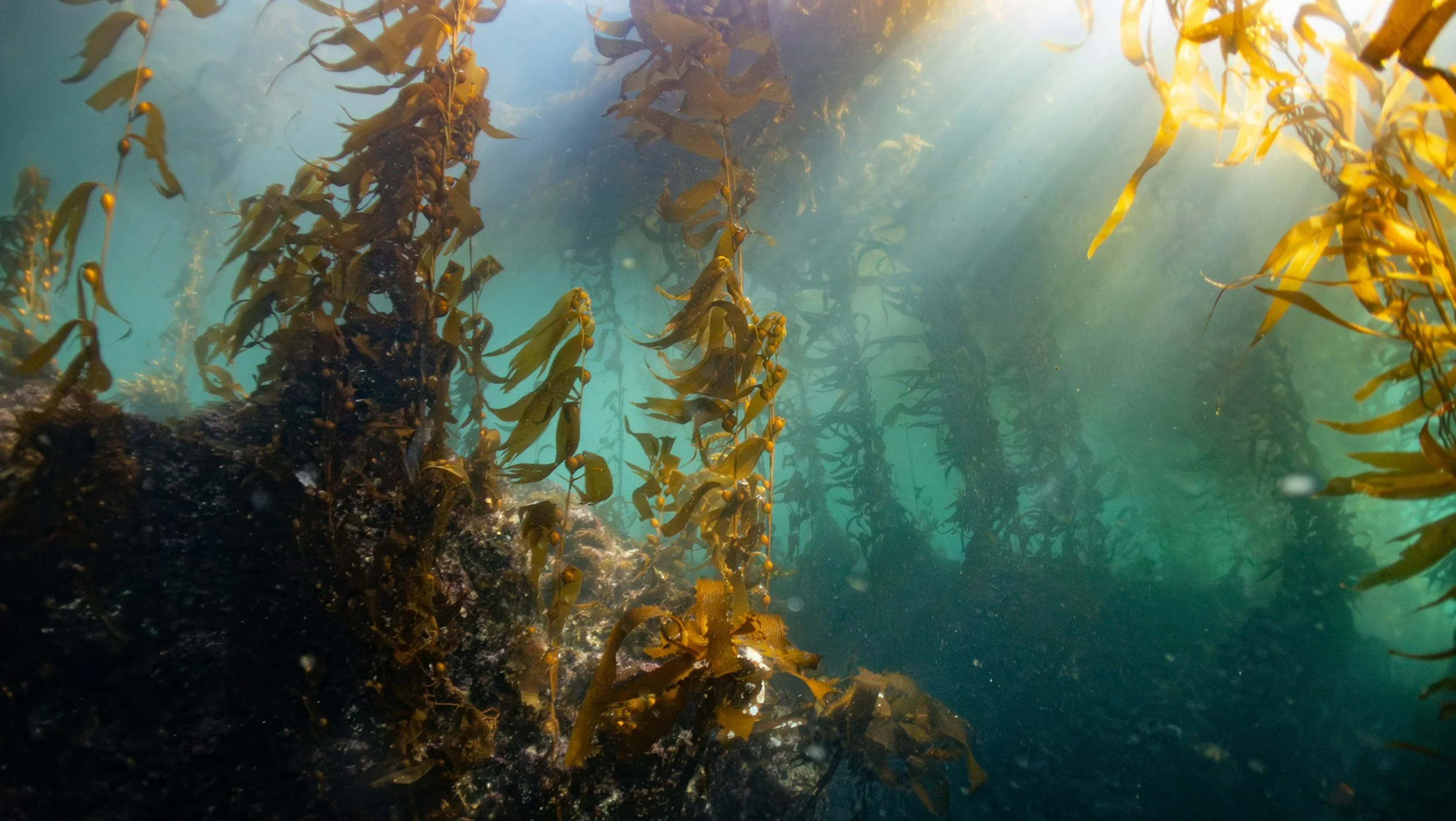
Submission on the application for Puketeraki mātaitai reserve, East Otago
Submission on the establishment of Puketeraki mātaitai reserve in East Otago.

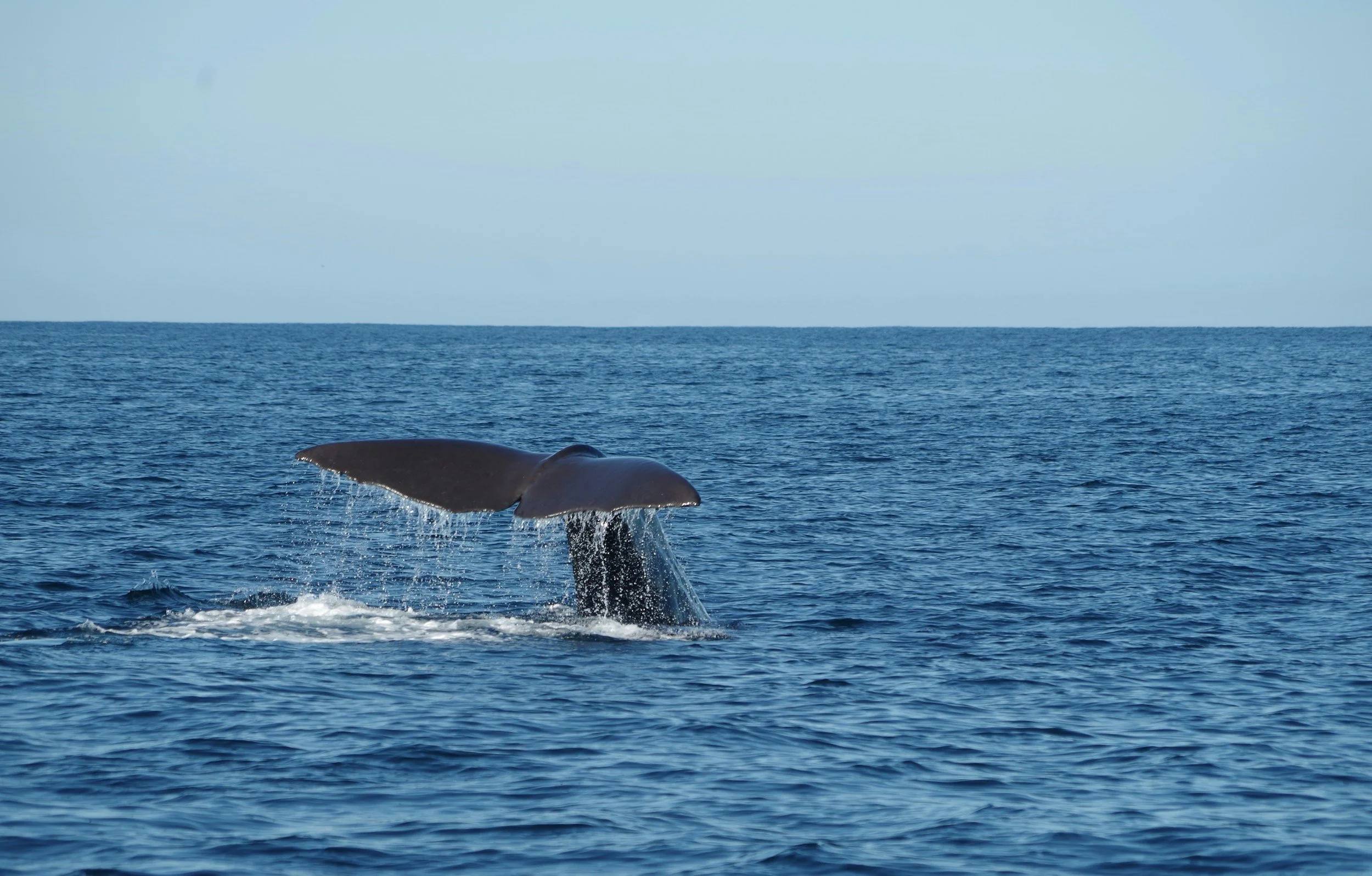
Submission: Kaikōura/Te Tai o Marokura Marine Management Review
Our submission to the DOC and Fisheries NZ consultation on the future of marine management in Kaikōura.

Submission: Cost recovery for on-board cameras - Fisheries NZ discussion paper
In ELI’s view, there are significant issues with the proposals and their underpinning analysis.
The most significant issue is the lack of a proper justification for the proposal that the Crown bear the proposed $3.76 million in annual costs associated with the on-board camera programme.
The legal and policy analysis underpinning this proposal is seriously deficient.


Submission: Restoring crayfish numbers in the Hauraki Gulf
ELI’s submission to Fisheries NZ’s review of sustainability measures for spiny rock lobster (crayfish) for the area known as CRA 2, which covers the Hauraki Gulf.

Submission: Aotearoa’s second Nationally Determined Contribution under the Paris Agreement
ELI has submitted on the Government’s consultation on Setting Aotearoa New Zealand’s Second Nationally Determined Contribution under the Paris Agreement.

The Government’s proposed emissions reduction plan needs major help. Here’s 12 ways to improve it.
The Government’s choices outlined in its proposed Emissions Reduction Plan would needlessly delay our transition towards a cleaner, healthier environment, society and economy.