ELI says Fonterra's proposed discharge requires proper environmental scrutiny.
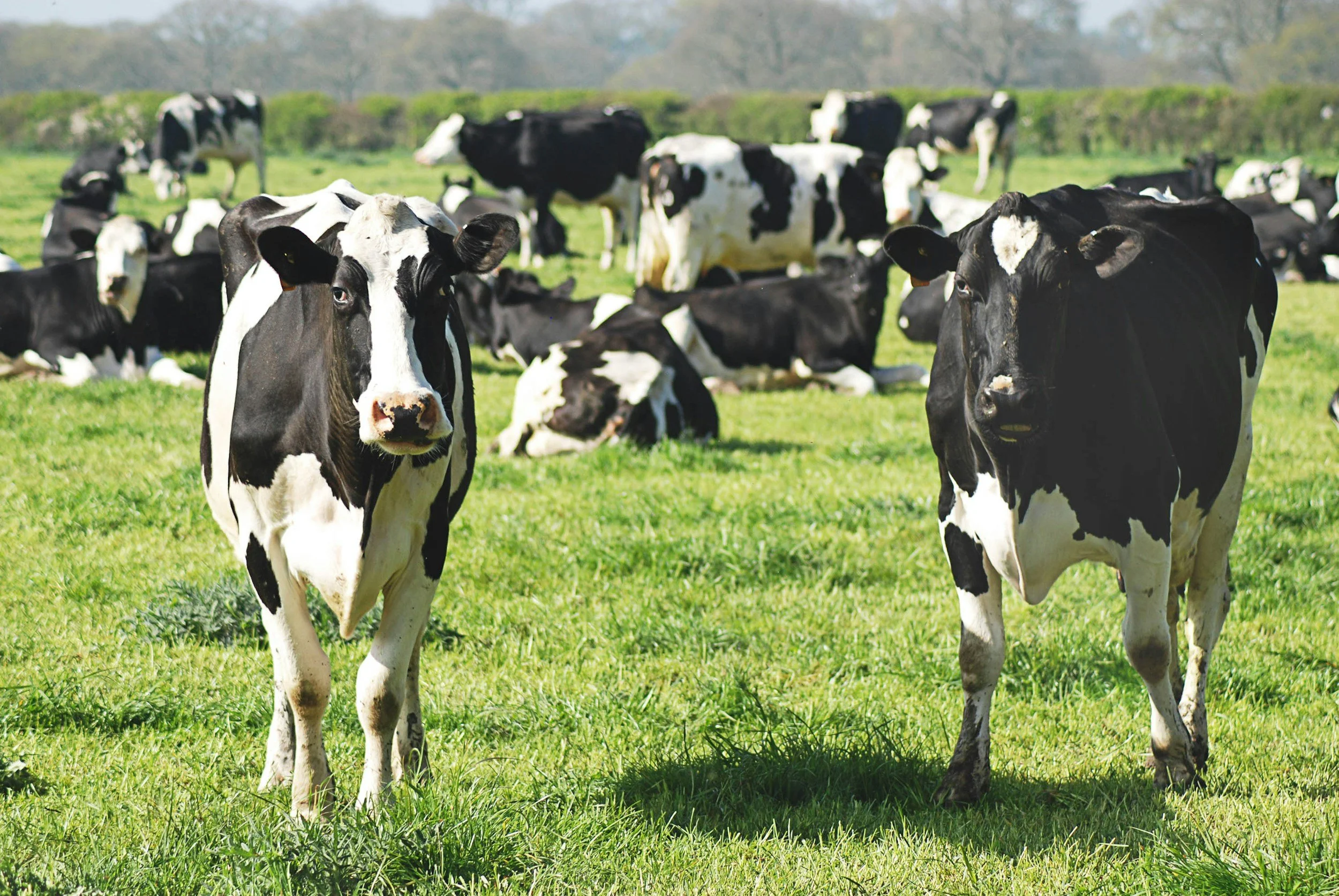
The Environmental Law Initiative (ELI) has written to Environment Canterbury (ECan), calling on the council to reject Fonterra's application to discharge 22.3 million litres of surplus raw milk to land.
Fonterra's application, filed on 2 October 2026, seeks to vary its existing wastewater discharge consents at Clandeboye, Darfield and Studholme. It would allow the disposal of millions of litres of raw milk to land over the next two years, with production forecasted to exceed processing capacity. A discharge of this nature would significantly increase the volume of waste and nutrient loads being discharged to the environment by Fonterra’s factories.
“Twenty-two million litres is more than four litres of milk for every person in New Zealand. That’s an extraordinary volume of food to waste, especially with so many households experiencing cost-of-living pressures.” said Anna Sintenie, Senior Researcher at the Environmental Law Initiative. ”
“Producing this much milk takes enormous amounts of land, water, feed and fertiliser, as well as the considerable mahi of farmers and workers. It also comes at a significant environmental cost, including greenhouse gas emissions, heavy freshwater use and nutrient pollution.”
"New Zealanders have been asked to accept that polluted rivers in Canterbury are an inevitable part of the cost of doing business. Now it turns out Fonterra may be unable to process all the milk that’s being produced and wants to dispose of any surplus on land, putting further pressure on already-stressed waterways and ecosystems. This is inexcusable."
Under the proposal, any surplus milk disposed of under the varied consents would end up on Fonterra’s farmland in one of two ways: either put through the factory’s wastewater stream and spray-irrigated onto pasture, or loaded straight into tankers and spread or injected directly into the soil. To enable this, Fonterra is asking ECan to change the definition of ‘wastewater’ in existing consents to include ‘surplus raw milk’.
Raw milk contains fats, sugars, proteins and nutrients that feed microorganisms. When too much is applied to land, the soil may not be able to absorb it and break it down quickly enough, increasing the risk of nutrient runoff and groundwater contamination. If it reaches waterways, microorganisms breaking down the milk consume oxygen dissolved in the water, leaving less available for fish and other aquatic life.
Our letter to ECan
We have asked ECan to reject the proposed variation to existing wastewater consents, and require Fonterra to apply for a new resource consent for this proposed discharge. This would allow ECan to do a proper assessment of the potential environmental effects, and the safeguards needed to manage them.
We have called on the application to be publicly notified, allowing the public to make submissions and participate in the decision-making process. The Initiative has also asked ECan to reject Fonterra's proposed amendment to the definition of ‘wastewater’ to include surplus raw milk.
“Fonterra is trying to shoehorn a major discharge of raw milk into existing wastewater consents through a ‘variation’. In our view, that's not acceptable. A discharge of this kind should require a full, new consent application and proper public scrutiny.”
““As currently written, the consent application doesn’t control how much milk Fonterra could dump, when it could undertake these discharges, or for how long. Should ECan be giving them a blank cheque? Absolutely not.” ”
New dairy conversions
ELI remains deeply concerned about the continued approval of new dairy conversions in Canterbury.
“ECan has continued to approve dairy conversions associated with tens of thousands of additional cows in Canterbury. That raises a fundamental question: why is the region continuing to expand dairy production when Fonterra is now seeking permission to dispose of surplus milk because production is likely to exceed its processing capacity?
“Dairy intensification has come at a significant cost to Canterbury's freshwater. The prospect of millions of litres of milk being thrown away should be a wake-up call. ECan cannot continue approving new dairy conversions without properly confronting the cumulative environmental consequences of those decisions. It's time for a fundamental rethink of the council's approach to dairy consenting,” said Anna Sintenie.
The footprint of 22.3 million litres of milk
Greenhouse gas emissions: Approximately 20,000 tonnes of CO₂-equivalent emissions associated with producing this volume of milk, based on Canterbury dairy-farm emissions data. To put that into perspective, Fonterra received $2.5 million in public money to replace coal boilers at their factory in Hautapu, which will save around 15,000 tonnes of CO₂-e per year.
Dairy cows: Equivalent to approximately one season's milk production from 4,840 average New Zealand dairy cows, based on DairyNZ's 2025/26 national statistics.
Consumptive blue-water footprint: Approximately 6.5 billion litres of freshwater, based on a Canterbury dairy-farm estimate of 239 litres of surface and groundwater consumed per kilogram of fat and protein-corrected milk (FPCM). This primarily reflects irrigation water consumed in growing pasture and feed, alongside stock drinking and milking-parlour water use.
Grey-water footprint: The theoretical volume of freshwater required to dilute nitrate pollution associated with producing this volume of milk in Canterbury ranges from approximately 9.7 billion to 247.8 billion litres, depending on the water-quality standard applied. This calculation is based on research by Joy et al. (2022).