
Win: High Court declares orange roughy catch decision unlawful
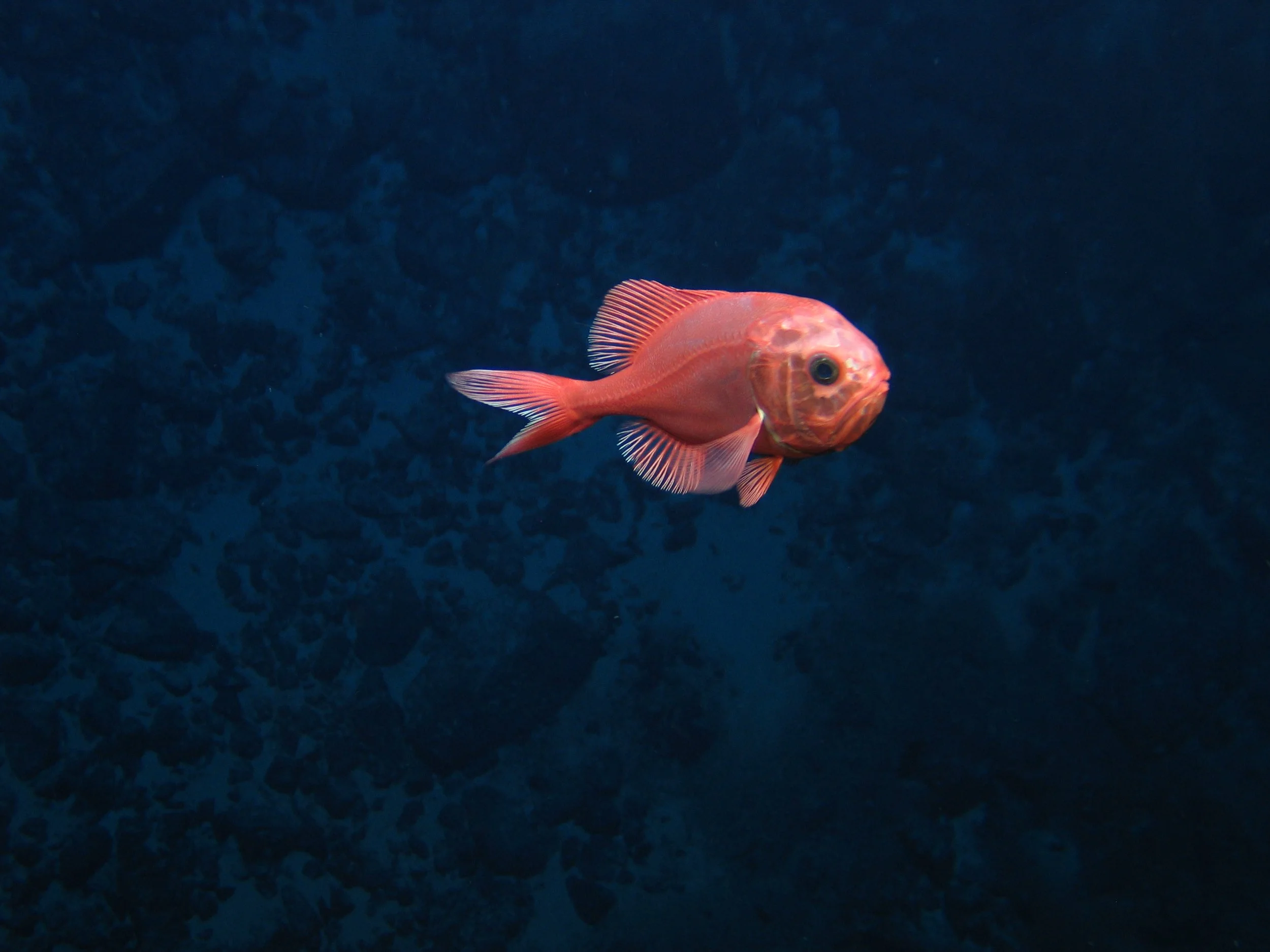
The Environmental Law Initiative (ELI) has welcomed a significant High Court win, after the Court declared the Minister for Oceans and Fisheries’ previous orange roughy catch limit decision unlawful.
“The Court has made it clear – the law requires the Minister for Oceans and Fisheries to ensure that potential habitats of particular significance for fisheries management, including orange roughy spawning grounds, are protected,” says ELI’s Director, Research and Legal, Dr Matt Hall.
“We challenged the Minister’s 2023 decision because bottom trawling and over-fishing have once again led to significant decline of key orange roughy populations.”
“The New Zealand seafood industry has marketed many of its orange roughy products as sustainably caught. This judgment calls that into question. As the science shows, it will take decades to rebuild key orange roughy populations.
“We must also learn the lesson: bottom trawling has adverse effects on the marine environment,” says Dr Hall.
The case concerned ORH 3B, New Zealand’s largest orange roughy quota management area, which covers over half of New Zealand’s Exclusive Economic Zone. It extends from near Fiordland to the Subantarctic Islands and up to the Chatham Rise.
Orange roughy are exceptionally long-lived, slow-growing deep-sea fish that can live for more than 200 years, reach sexual maturity only after decades, and as a result are slow to rebuild populations. They are caught by bottom trawling the sea floor.
In 2023, then Minister Rachel Brooking reduced the total allowable catch for orange roughy in ORH 3B by 40 per cent. ELI argued that the reduction did not remove the Minister’s obligation to consider key environmental safeguards, including protection for important habitats.
The High Court agreed. Justice Gwyn declared the decision unlawful because the Minister failed to consider how potential habitats of particular significance for fisheries management, including orange roughy spawning grounds, should be protected under section 9(c) of the Fisheries Act.
“The Court has confirmed that if spawning grounds are identified as potential habitats of particular significance, decision-makers must be provided adequate advice about whether protection is required. That is a basic safeguard for responsible fisheries management ” says Hall.
The Court also made important findings about the Fisheries Act. It found that the Act’s purpose of “ensuring sustainability” must be given substantive effect, including the requirement to avoid, remedy or mitigate adverse effects of fishing on the aquatic environment. It rejected arguments by Seafood NZ that adverse effects should be assessed only at the very broad quota management area scale, holding that adverse effects should be considered in the context of particular ecosystems or bioregions.
“This judgment is a clear reminder that catch limits alone are not enough. We need effective, enforceable spatial protections for spawning grounds and vulnerable deep-sea ecosystems that can take centuries to recover from disturbance.”
The judgment also records that there is “credible and cogent” evidence that bottom trawling does have adverse effects on the aquatic environment and biodiversity generally.
The Court stated that any future reconsideration of the total allowable catch for ORH 3B should have regard to the findings in the judgment.
Notes to editors
The case is Environmental Law Initiative v Minister for Oceans and Fisheries [2026] NZHC 1887.
The Court did not direct the Minister to remake the 2023 decision because later developments had overtaken that relief, but said any future reconsideration of the ORH 3B total allowable catch should have regard to the judgment.