
Appetite for hoiho deaths is ‘too high’ in measures announced by Oceans and Fisheries Minister
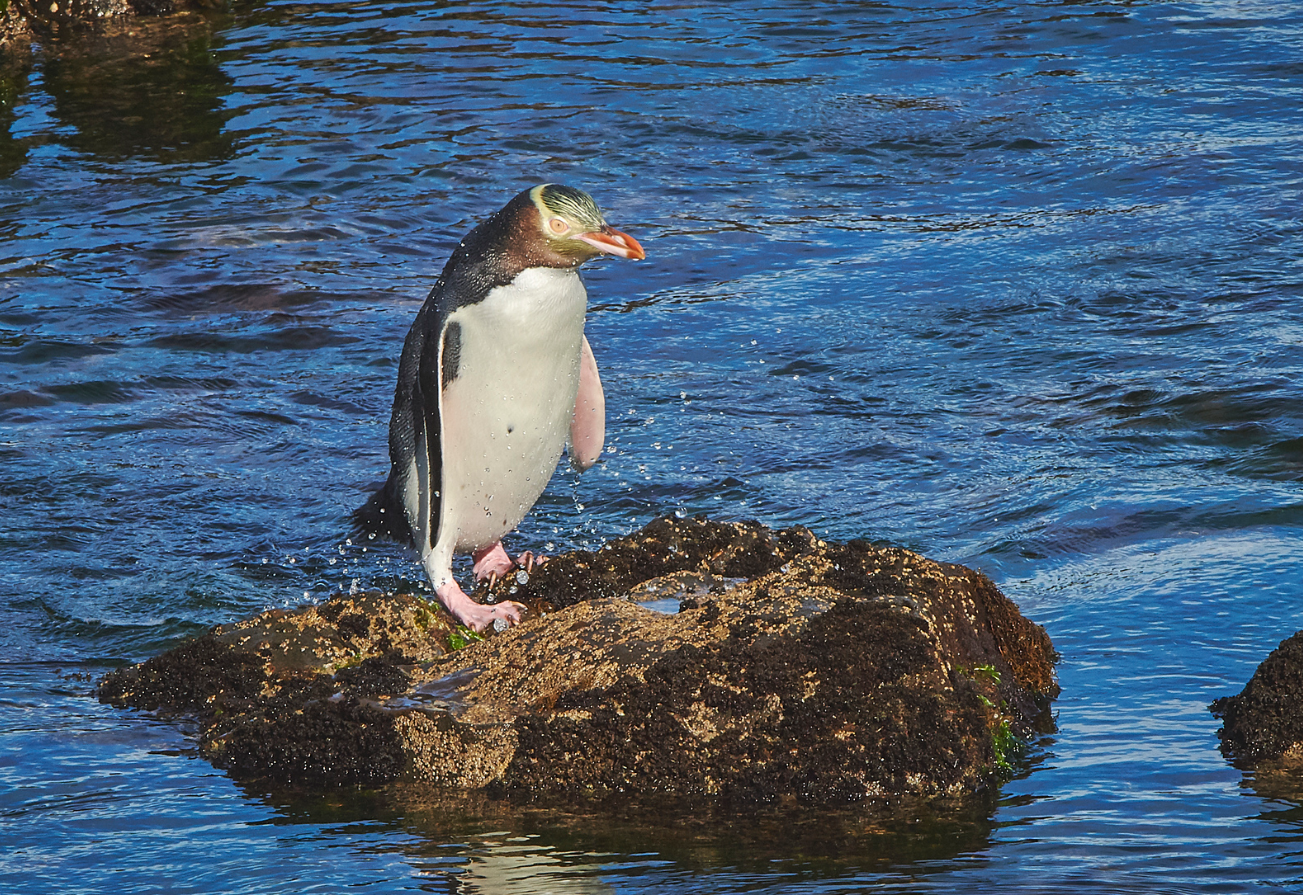
While ELI welcomes the decision by the Minister for Oceans and Fisheries to make the Otago Peninsula set-net closure permanent, we are deeply concerned by the decision to set a Fishing Related Mortality Limit of four hoiho deaths per year in areas outside of the closure.
“The announcement does little to change the status quo. Four hoiho were killed in the 24/25 fishing year, five the year before that and four the year before that,” says ELI’s Senior Legal Advisor Megan Cornforth-Camden.
The number of northern hoiho breeding pairs continues to crash.
“The next few years are crucial to their long-term survival, and it is important to avoid all bycatch deaths. It is the one threat that can be readily managed.
“The ongoing cumulative loss of three or four birds each year would quickly erode an already small breeding population, threatening both the viability of local colonies and the long-term recovery of the northern hoiho population - and that is before even considering losses to other threats known to be decreasing the population, such as disease and malnutrition.
“We are particularly interested in the advice provided to the Minister in reaching this decision. If the northern hoiho population can sustain the loss of four birds a year to fisheries bycatch on top of all the other pressures it faces, we would like to understand the scientific basis for that conclusion,” says Cornforth-Camden.
ELI is also concerned about whether that advice adequately accounted for the looming threat of avian influenza. With disease posing a potentially significant risk to an already fragile population, it is more important than ever that human-caused mortality is reduced and kept as close to zero as possible.
Hoiho are one of New Zealand's rarest and most threatened species.
“If we were discussing the last remaining 115 breeding pairs of a kiwi species, would New Zealanders accept four birds being killed each year as a result of commercial activity?
“We believe the answer would be no,” says Cornforth-Camden.
Like kiwi, hoiho are absolutely protected wildlife. When a species is already facing significant threats from disease, predation and food scarcity, management decisions should focus on eliminating avoidable human-caused deaths wherever possible.
ELI is seeking the advice and scientific analysis that informed the Minister's decision and will continue to advocate for protections that give hoiho the best possible chance of recovery.