
As hoiho court case wraps up, ELI says long-term proposal for hoiho needs rewrite
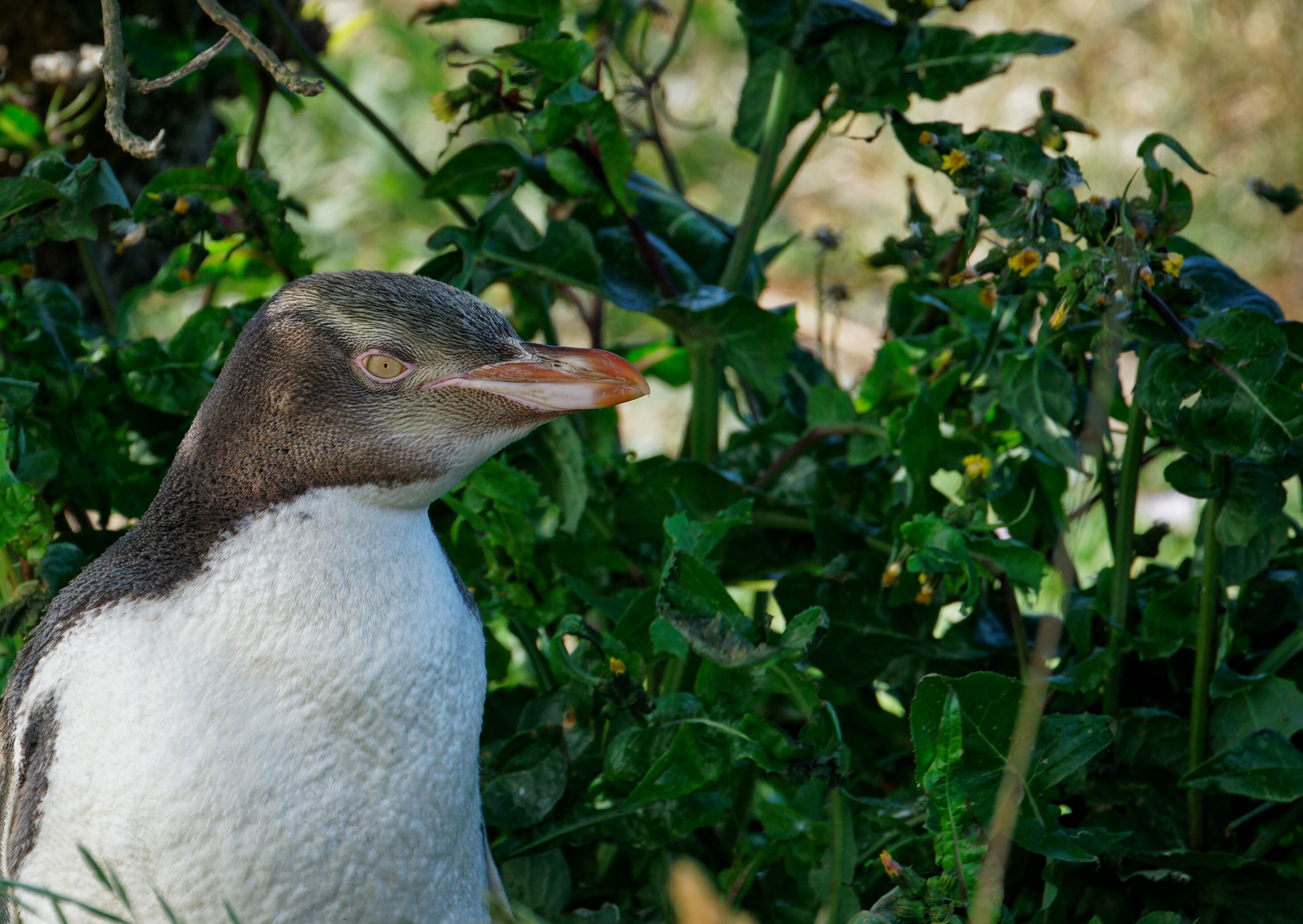
ELI says Fisheries New Zealand needs to act quickly to improve its long-term options for protecting hoiho, as the urgent hearing on emergency measures wrapped up today in the Wellington High Court.
“We’re in a conservation crisis, and we need to do everything we can to stop deaths of hoiho by set net fishing,” says ELI’s Senior Legal Advisor Megan Cornforth-Camden. “Does Fisheries NZ understand the gravity of the situation? Based on the proposed long-term measures, we’d argue it doesn’t.”
Fisheries NZ has laid out three options in its consultation on long-term measures, which closes on December 12th.
“Only one of the options proposes any kind of limit on fishing related deaths. They’ve proposed allowing 4 hoiho deaths a year before it would trigger consideration of regulatory response. Even then it doesn’t require action.“
As the Yellow-Eyed Penguin Trust has highlighted, we simply cannot afford any more deaths from fishing. The population needs to grow, not be killed.
“The current emergency closure does not do anything for hoiho on Rakiura or in the Catlins, and we learned the cost of that on Saturday when a hoiho was drowned in a set net,” says Cornforth-Camden.
Further, the long-term measures proposed by Fisheries NZ offer little protection for hoiho around Rakiura and the Catlins, with no proposed set net ban in those areas.
ELI says the consultation document is problematic, not least because it claims one of the potential measures would create incentives “for fishers to develop fishing practices and mitigation measures that reduce hoiho bycatch towards zero.” However, in the same document, it says that mitigation measures for hoiho do not exist.
“There are currently no mitigation measures available to prevent hoiho from being caught in set nets. Let’s be realistic, there is no magical mitigation solution around the corner,” says Camden-Cornforth.
The Department of Conservation is expected to release the latest hoiho nest count, with many expecting population numbers to be even lower than last years count, which found just 143 nesting pairs remained.